
Where Does AI Stand in Game Development? PlayStation, Roblox, Kingdom Come, and Ken Levine Ask the Same Question Differently
AI in game development is no longer just a single headline. PlayStation treats it as part of the production pipeline, Roblox’s push for photorealism meets developer resistance, Kingdom Come sees it as a development aid rather than an art generator, and Ken Levine argues that style matters more than raw technology. Put together, these four examples show that the real question is not what AI can do, but where it begins to touch a game’s identity.
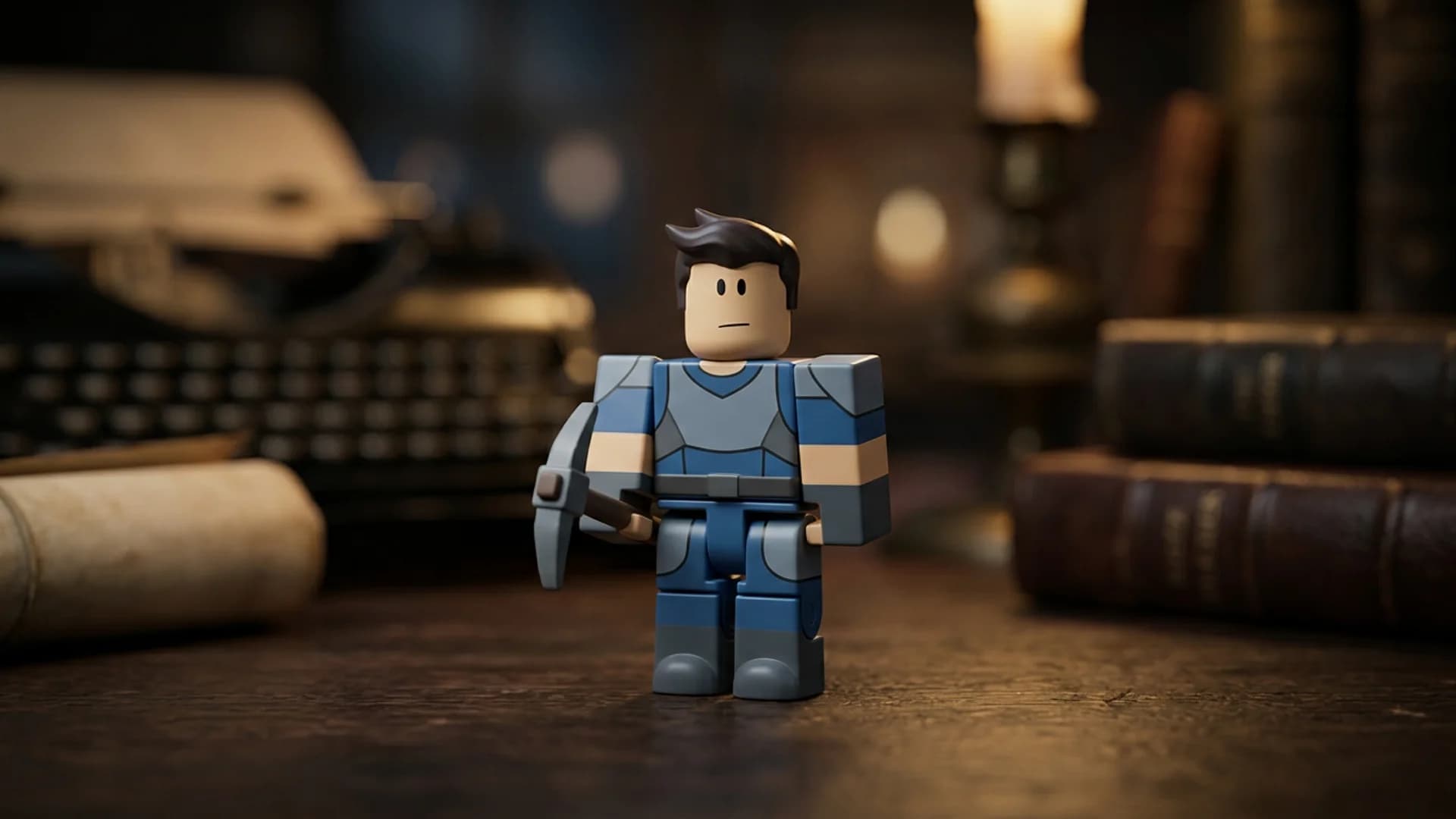
The AI debate in gaming is no longer just a single headline. On one side, PlayStation presents AI tools as part of the production line; on the other, Roblox’s push for more realistic visuals is meeting a cool response from developers. In Kingdom Come, AI is seen less as a way to create art than as an assistant that speeds up development. Meanwhile, Ken Levine reminds us that the real issue is not technology itself, but style and design choices. Put these four examples side by side, and the picture becomes clear: in game development, AI raises less of a “what can it do?” question and more of a “where does it start touching a game’s identity?” one.
PlayStation’s May 8, 2026 Reveal: AI as a Tool, Not a Replacement
According to IGN, Sony detailed its AI strategy during its investor-focused presentation on May 8, 2026, stressing that “human creativity must remain at the center.” PlayStation boss Totoki Hiroki described AI as “a powerful tool, but not a replacement for artists or creators.” IGN says one example of this approach is Mockingbird, an AI-assisted tool that generates character animation from facial movements captured during performance capture. The same report notes that Naughty Dog and San Diego Studio are already using tools like this.
Another concrete example from IGN’s coverage is an AI tool used in Horizon Zero Dawn Remastered to help model Aloy’s hair. The report says real hair footage was converted into a detailed 3D model, cutting down the time compared with doing the work by hand. In other words, on the PlayStation side, AI is not replacing content creators; it is being placed more in the animation, modeling, and workflow-acceleration layer. The same presentation also mentioned PS5 Pro’s PSSR technology, which improves visual fidelity. That shows Sony extending its AI messaging not only into content production, but also into image enhancement on the hardware side. [IGN]
Roblox and Photorealism: Not Everyone Is Chasing the Same Goal
In a May 11, 2026 report, PC Gamer wrote that Roblox wants AI to make games photorealistic, but that this idea has not generated the same excitement among developers. The developer quote in the piece is blunt: “I don’t think that your average player right now wants to do that.” In other words, this is not only a technical issue; audience expectations matter too.
PC Gamer also points out that games like 99 Nights in the Forest appeal to children partly because of how they look, which does not automatically make photorealism a superior goal. This is where the Roblox example reveals the hidden boundary in the AI debate: a platform may be technically capable of producing more realistic visuals, but that does not always fit player behavior on that platform. That is the tension the source highlights. AI-assisted production does not always mean “better”; sometimes it risks damaging the existing aesthetic. [PC Gamer]
Sources
- https://www.pcgamer.com/software/ai/roblox-wants-ai-to-make-its-games-photorealistic-but-the-devs-making-those-games-arent-sold-on-the-idea-i-dont-think-that-your-average-player-right-now-wants-to-do-that/
- https://www.pcgamer.com/hardware/gaussian-splatting-is-my-new-favourite-thing-so-i-hassled-an-ex-epic-artist-to-tell-me-everything-he-knows-about-the-low-cost-photo-real-rendering-technique/
- https://www.rockpapershotgun.com/its-expensive-and-it-doesnt-age-why-ken-levine-didnt-aim-for-realistic-graphics-in-bioshock-and-wont-for-judas-either
- https://www.gamespot.com/articles/kingdom-come-dev-talks-risks-and-benefits-of-ai-and-losing-players-if-games-are-too-difficult/1100-6539863/
- https://www.ign.com/articles/playstation-details-ai-use-insists-tools-are-not-a-replacement-for-artists-or-creators