
A New Wave in Portable Gaming Devices
Portable gaming devices are changing on multiple fronts at once, with dual-screen designs returning, SteamOS expanding to more handhelds, and prices climbing sharply.
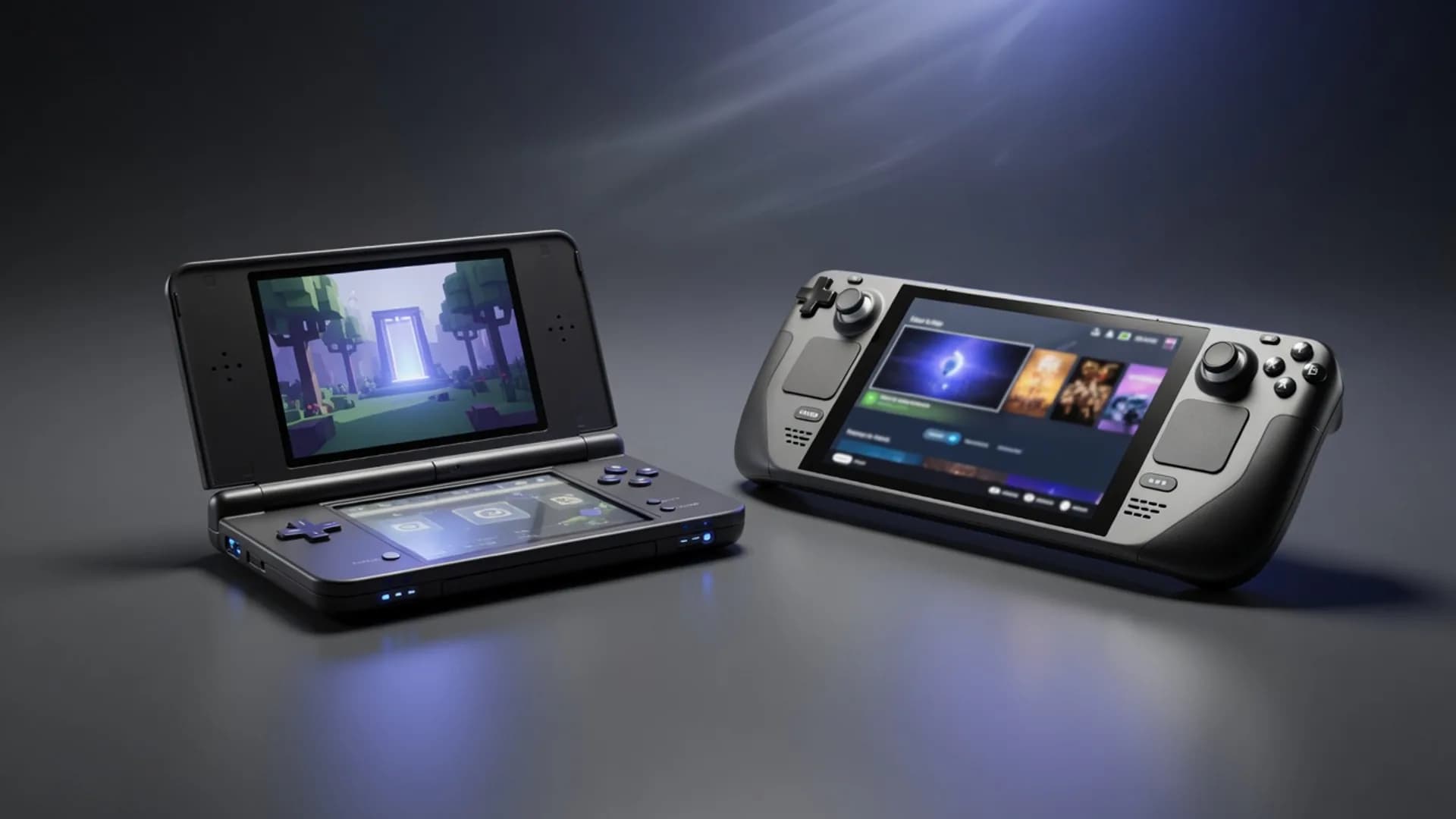
Portable gaming devices are changing in several ways at once. On one side, dual-screen models are becoming more common; on the other, SteamOS is spreading to different handhelds. Add rising prices to the mix, and the result is a picture that says less about a single product and more about the direction of the entire industry.
What matters here is that players are no longer looking only for a more powerful device. Different screen layouts, more flexible software options, and alternatives outside Windows are also entering the conversation. But none of these options comes with the same comfort on the budget side.
Dual-screen design is back in the spotlight
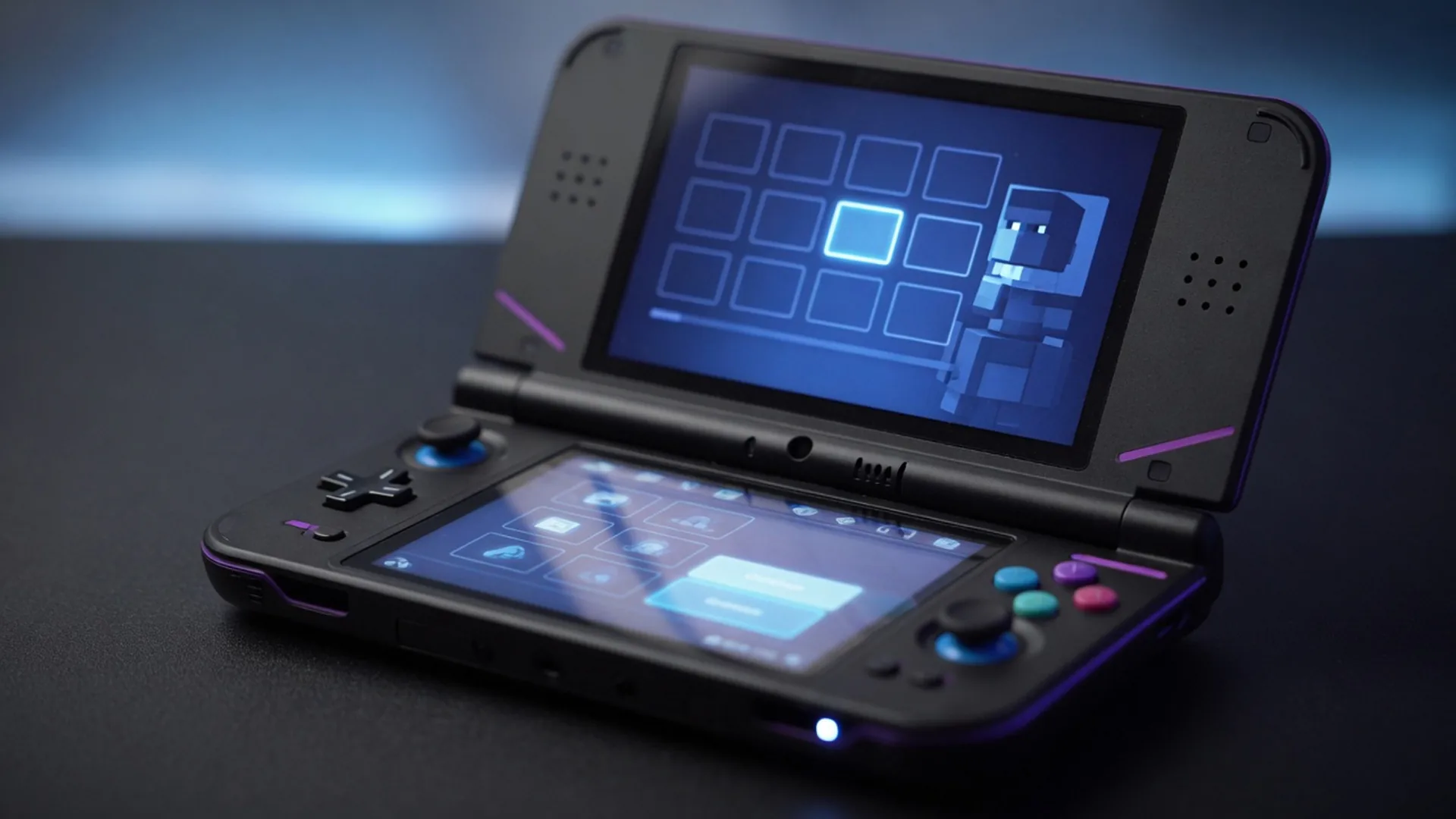
Retroid’s Pocket Duo family has brought the idea of dual-screen handheld devices back into the spotlight. The standard Pocket Duo model comes with two OLED screens. The more affordable Pocket Duo Lite, meanwhile, uses IPS panels instead of OLED.
The company’s new move did not stop there. The Pocket Duo Lite+ model was announced shortly after the Lite version. It keeps the dual-screen exterior design, but offers a more powerful setup on the inside. A Dragonwing Q-7790 processor and an 8+128GB configuration are among the standout details. The price is listed at $199, with a European price of €174. The device is expected to ship in November.
This rapid product cadence has created an unusual rhythm in the handheld market. The arrival of the Lite+ option just weeks after pre-orders opened for the standard model also directly affected early buyers. Retroid responded by launching a cancellation and exchange program. This program gives users who ordered the first Pocket Duo Lite a chance to move to the newer model.
SteamOS is no longer limited to the Steam Deck
On the SteamOS front, the real shift has been the operating system’s adaptation to other devices. The SteamOS ARM for Handhelds build prepared for AYANEO has been updated with support for the AYANEO Pocket S2 and Pocket S2 Pro. One of the notable features in this release is ARM-native Lossless Scaling frame gen support. Here, frame gen refers to frame generation, meaning the system aims to create extra frames to improve smoothness.
Installation is also being made easier. The Easy UFS Installer app is intended to simplify the setup process. In addition, users can choose the storage space reserved for Android in Desktop Mode. A newly added SteamOS Update app is also meant to reduce the need for users to reinstall the system in the future.
On the Valve side, the SteamOS 3.8.28 update stood out. This release fixes a VRAM bottleneck and moves to a new Mesa graphics driver. It also includes early groundwork for the Steam Frame Wireless Adapter. Valve engineer Pierre-Loup Griffais speaking more broadly about a SteamOS for Arm approach suggests this direction is not temporary. In other words, SteamOS no longer appears to be a system tied only to the Steam Deck.
The key point here is this: as SteamOS spreads to different hardware, the software experience on these devices moves beyond the limits of a single platform. That creates a wider range of options, especially for products that operate with a handheld PC mindset.
Price pressure is narrowing the options
At the same time, pricing is moving in the opposite direction. In handheld gaming PCs, especially the memory supply crisis has pushed base prices higher. The quiet retirement of LCD models for the Steam Deck seems to have reduced affordable options even further. On the OLED side, price increases are notable: the 512 GB model has risen from $549 to $789, while the 1 TB model has climbed from $649 to $949.
This increase does not concern only one brand. Across the market, more expensive devices are beginning to feel normal. Even so, interest in new hardware has not disappeared entirely. But the direction of that interest is changing too. Data shows that players are still spending, but that spending does not always go toward handheld gaming PCs.
This is where the Nintendo Switch 2 becomes more prominent. It is a reminder that in the portable gaming space, price-to-performance balance matters just as much as technical specs. The pressure described in Why the AAA Economy Is Growing and Shrinking at the Same Time is being felt here as well.
What it means for players, and what it means for developers
This new wave gives players more options, but it also creates a more complicated decision tree. Should you buy a dual-screen device, choose a SteamOS-compatible model, or stay with Windows? The answer now depends less on a single hardware advantage and more on the intended use case.
For developers, operating system diversity is becoming more important. SteamOS moving toward Arm could directly affect software compatibility and support planning. Likewise, different screen layouts are creating new expectations for emulation and handheld game design. A dual-screen form factor demands different usage habits than a classic single-screen handheld.
The common thread across all these developments is that portable gaming devices no longer behave like a single category. Hardware, software, and pricing are all being redefined at the same time. The market’s new era is being shaped by exactly that three-way tension.
Sources
- https://www.tomshardware.com/video-games/console-gaming/handheld-gaming
- https://www.newegg.com/Handheld-Gaming-Console/SubCategory/ID-3246
- https://thegadgetflow.com/categories/handheld-gaming-devices
- https://www.gamesradar.com/hardware/handhelds/not-even-two-weeks-later-retroid-just-unveiled-yet-another-ds-handheld-and-the-pocket-duo-lite-is-causing-a-ruckus/
- https://retrohandhelds.gg/steamos-comes-to-more-ayaneo-handhelds-along-with-native-frame-gen/
- https://www.digitalcitizen.life/asus-rog-xbox-ally-x20-oled-handheld-opens-for-preorder-at-1299/
- https://tech-insider.org/steamos-3-8-28-vram-fix-arm-expansion-2026/
- https://www.pcgamer.com/hardware/handheld-gaming-pcs/handheld-gaming-pcs-are-cooked/